
Beyond Industry Partnerships: The Missing Link in ITI Reform
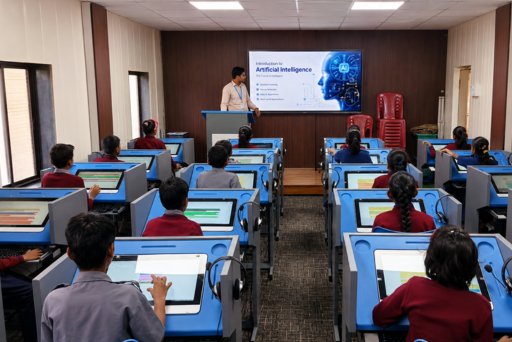
India’s skilling ecosystem is entering a new phase. With the rollout of PM SETU, the government has set out to modernize Industrial Training Institutes (ITIs) by increasing industry participation, upgrading infrastructure, and aligning courses more closely with market demand. Companies are being encouraged to step in as “anchor partners” and shape training to match real workplace needs.
On paper, this is a necessary shift. For years, one of the biggest criticisms of vocational training has been the gap between what is taught and what employers require. Closer industry involvement promises to address this gap and improve students’ job outcomes. However, an important piece of the puzzle risks being overlooked – the learner.
The Missing Link in ITI Reform
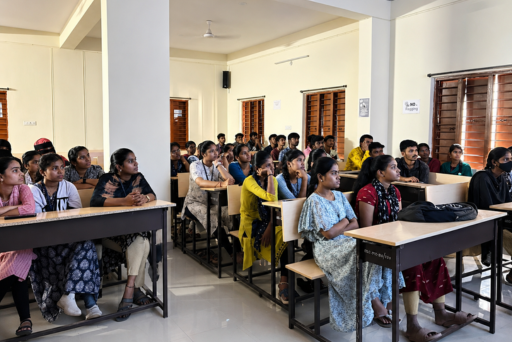
A large proportion of ITI students come from first-generation, low-income, or underserved backgrounds. For many, enrolling in an ITI is their first formal step toward employment. While technical training is essential, it is often not enough on its own.
Students need guidance on navigating the world of work. This includes understanding workplace expectations, building communication skills, preparing for interviews, and managing the transition from training to employment. Without this support, even well-trained students may struggle to secure or sustain jobs. Upgrading infrastructure and aligning curricula with industry demand will certainly improve the system. But without addressing these softer, human aspects of employability, the benefits of reform may not reach those who need them most.
Why Community-Based Support Matters
This is where community-based organizations such as NIIT Foundation play a critical role. Unlike formal institutions, they often have a deeper understanding of the local context in which learners live and work. They can engage with students before they enter training, support them during the learning process, and continue guiding them after placement.
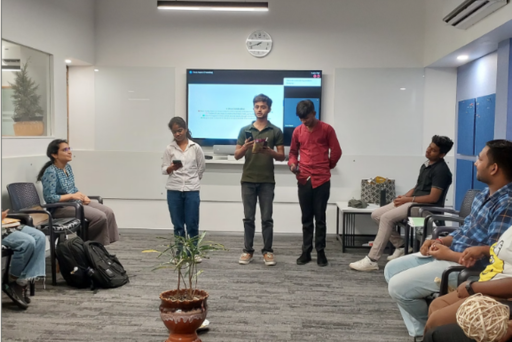
Such organizations help bridge multiple gaps at once. They assist in mobilizing students from underserved communities, providing life-skills training alongside technical instruction, and offer personalized counselling that helps learners make informed career choices. Equally importantly, they maintain ongoing relationships with both learners and employers, making it easier to support long-term job retention. In many cases, this kind of support determines whether training translates into employment.
Integrating Intermediaries into the System
As ITI reforms move forward, the role of these intermediaries needs to be formally recognized. Rather than operating on the margins, NGOs and skilling foundations should be integrated into the broader skilling ecosystem.
This could take several forms. Community partners can support student mobilization in areas where ITI enrolment remains low. They can deliver complementary modules on communication, workplace readiness, and digital literacy. They can also act as a bridge between students and employers, helping match candidates to roles and providing post-placement support.
Importantly, this approach does not replace the role of industry or institutions. Instead, it strengthens the overall system by ensuring that technical training is supported by human-centered guidance.
What This Means in Practice
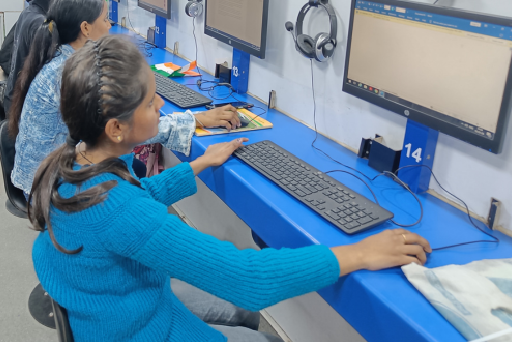
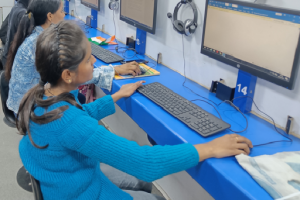
NIIT Foundation already demonstrate how this model can work. Through programs focused on digital literacy, career development, and community-based training, they engage directly with learners who may otherwise remain outside formal skilling pathways.
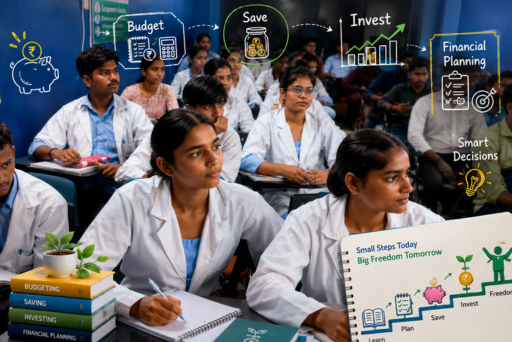
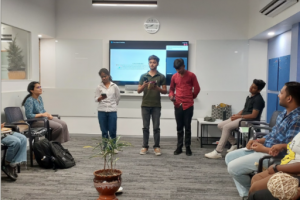
By combining technical training with life-skills coaching and continuous mentorship, such initiatives help students move more confidently from training into employment. They also create feedback loops, where insights from learners and employers can inform how training programs evolve.
As ITIs expand their partnerships with industry, integrating similar community-based approaches can ensure that reforms are not only efficient, but also inclusive.
A More Complete Approach to Skilling
India’s push to modernize ITIs is both timely and necessary. Industry partnerships can bring relevance and scale to vocational training. But for these reforms to truly succeed, they must account for the realities faced by learners.
Skilling is not only about infrastructure or curriculum. It is also about confidence, guidance, and sustained support. When community intermediaries are built into the system, they help ensure that students are not just trained but also prepared to succeed.
If PM-SETU delivers meaningful outcomes, it must combine industry expertise with community-based support. Only then can India’s skilling ecosystem become both effective and inclusive, creating pathways to employment for those who need them most.