Understanding the Gender Gap in India’s Digital TransitionIndia’s digital ecosystem has improved access to services, information, and livelihoods. However, this progress remains uneven – especially for women. Women, particularly in rural and underserved communities, continue to face constraints in accessing and using digital technologies. These constraints extend beyond infrastructure to include mobility limitations, restrictive social norms, and low digital confidence. As a result, digital literacy interventions that do not account for these factors risk reinforcing existing inequalities.
The gender digital divide operates at multiple levels. Women are less likely to own devices and often rely on shared or restricted access. Social norms further limit independent engagement, particularly in communities where mobility is constrained. In such contexts, digital literacy is not just about skills, it is about enabling agency. Effective programs must therefore address both capability and context, ensuring that women are not only trained, but also able to use technology meaningfully in their daily lives.
Community-Based Models as an Effective Response
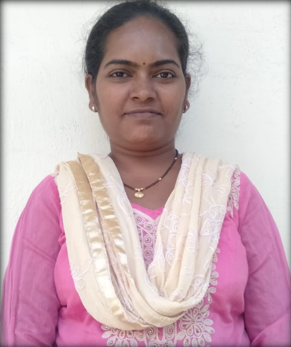
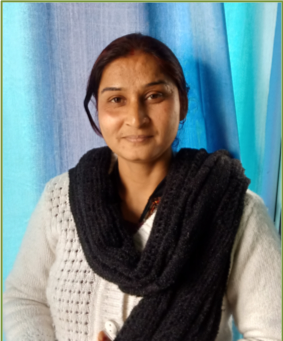
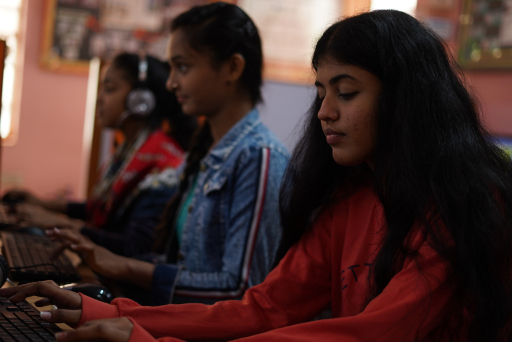
Evidence shows that community-based delivery models are critical to improving participation and outcomes for women learners. The work of NIIT Foundation highlights how decentralized training ecosystems act as accessible, trusted entry points for first-time learners. Women learners often begin with limited exposure to technology but gradually build confidence through structured, supported learning. For many, this is their first experience using digital tools independently, making this transition both practical and deeply empowering.
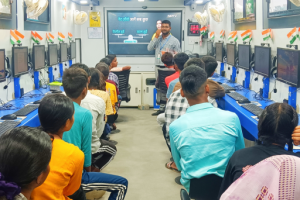
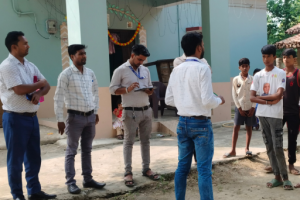
Mobility constraints remain a central barrier for women’s participation. In response, mobile learning models, like the Digital Bus and Community Engagement programs have been deployed to take digital education directly into communities – especially to women and girls. These models improve both access and retention by bringing learning closer, reducing opportunity costs, and supporting women balancing household responsibilities.
These programs link digital skills to practical financial use, such as digital payments, transaction tracking, and accessing government services, ensuring immediate, tangible real-world impact. For many participants, this translates into greater financial security and independence. As one beneficiary shared, “I updated the nominee for my Jan Dhan Yojana insurance… Now that there is a nominee, my family is secure.”
This shift from informal saving to structured protection helps safeguard hard-earned resources against life’s uncertainties. Digital tools like DigiLocker also simplify interactions with government services. One worker recalled a visit to a local government office where they had forgotten their physical IDs: “I used DigiLocker to access my documents and get the copies I needed.”
Scaling Impact Through Integrated Ecosystems
Structured collaborations have enabled the expansion of women-focused skilling programs that combine digital and financial literacy. These programs are designed to build skills while strengthening workforce participation and income stability. An example of this is digital marketing programs conducted with partner organizations to increase employability. At scale, such models demonstrate that gender-responsive digital literacy is most effective when embedded within broader skilling and livelihood frameworks.
Conclusion: From Access to Agency
Closing the gender gap in digital access requires a shift in how digital literacy is delivered. A gender-responsive approach recognizes that access, confidence, and application are interconnected. Digital literacy is not an end in itself – it is an enabler of agency. It empowers women to access services independently, participate in economic activities, and make informed decisions. Designing for this outcome is essential to ensuring that India’s digital growth is not only rapid, but also inclusive and equitable.