India’s digital journey has changed the way people learn, work, communicate and access essential services. Over the past decade, the country has seen a significant expansion in digital connectivity. Broadband subscribers increased from around 25 crore in 2014–15 to 103 crore in 2024–25, reflecting how rapidly digital access has grown. But being connected is only the first step. True digital inclusion also means having the skills and confidence to use technology independently.
For many first-time users, tasks such as applying for a job online, making a UPI payment, accessing a government scheme or downloading a document from DigiLocker can still feel unfamiliar. Building these everyday digital skills can help people move from simply having access to technology to using it to learn, earn and improve their quality of life.
From Digital Access to Digital Ability
Having a smartphone or internet connection does not automatically mean that a person can use digital services effectively. People need to know how to navigate websites, complete online forms, search for reliable information, upload documents and protect their personal information.
For someone looking for employment, digital skills can make the process much easier. Instead of depending on others or travelling from one office to another, a job seeker can search for vacancies, create a profile, upload a resume and apply for multiple opportunities online. Similarly, platforms such as DigiLocker allow people to access important documents digitally, while online learning platforms can help students and job seekers develop new skills from wherever they are.
Using Digital Skills in Everyday Life
The impact of digital skills can be seen across everyday activities. UPI, for example, has become an important part of how Indians make payments. In FY 2025–26, UPI processed more than 24,162 crore transactions with a total value of around ₹314 lakh crore. The scale of adoption shows how digital tools are becoming part of everyday financial life.
But using these platforms effectively also requires awareness. Knowing how to make a UPI payment is important, but knowing how to identify suspicious links, verify payment requests and protect passwords is equally important. Digital skills can also help people access government schemes, complete applications and find information about services they may be eligible for. Telemedicine can make healthcare consultations more accessible, particularly for people who may find it difficult to travel. Online learning can give students and workers access to educational resources and skill-building opportunities beyond traditional classrooms.
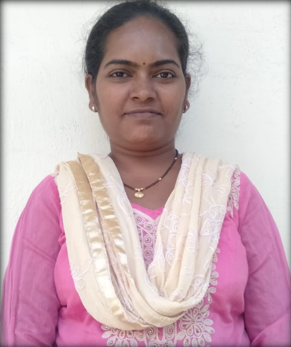
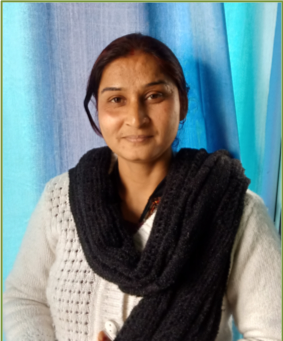
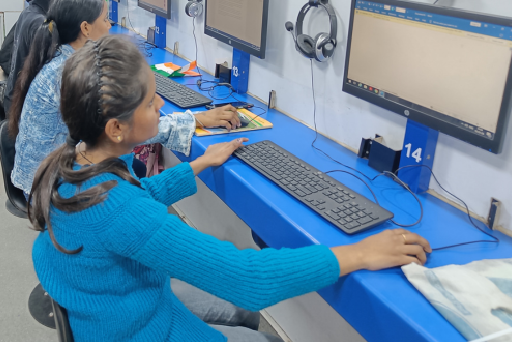
Consider a young woman from a small town looking for her first job. Earlier, she depended on others to search for vacancies and complete online applications. After receiving basic digital training, she learned to create and upload her resume, apply for jobs independently and attend online interviews. She also began using UPI for everyday payments, DigiLocker to access her certificates and online courses to improve her skills. What changed was not just her access to technology, but her confidence in using it.
Building Confidence for Long-Term Inclusion
India’s digital journey is increasingly moving from expanding access to enabling meaningful participation. This means ensuring that people can use digital tools confidently, safely and independently. Digital literacy programs have already played a role in this transition. Under the Pradhan Mantri Gramin Digital Saksharta Abhiyan (PMGDISHA), more than 6.39 crore people were trained in digital literacy, exceeding the programs target of 6 crore.
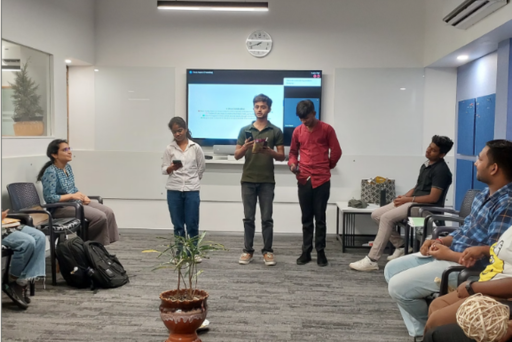
The next step is to build on this progress by making practical digital skills more accessible. When people can use technology to find employment, learn new skills, manage finances, access government services and make informed decisions, digital inclusion can translate into real social and economic opportunities. This is aligns with the NIIT Foundation as it plays a crucial role for its beneficiaries by combining technology-enabled learning with practical skill development, digital skilling can help underserved communities build the confidence required to participate in the digital economy and pursue sustainable livelihoods. India has made significant progress in bringing people online. The next priority is ensuring that people have the skills and confidence to make the most of that access. Because digital inclusion is not simply about being connected—it is about having the ability to use that connection to learn, earn and grow.