There was a time when being “good with computers” was considered a specialised advantage, something particularly useful if you wanted to work in IT, software or engineering.
Digital skills are no longer needed only for IT jobs. Today, they are part of almost every kind of work.
A shop employee may use a computer for billing and checking stock. A delivery worker uses an app to receive orders and find addresses. A small business owner can promote products on social media and receive digital payments. Even farmers can use their phones to check weather updates, market prices and government services.
Digital technology has become part of how we work, learn and communicate every day.
India’s digital growth shows how quickly this change is happening. According to the Press Information Bureau, broadband subscribers increased from around 25 crore in 2014–15 to 103 crore in 2024–25. Government platforms such as DigiLocker and UMANG are also helping people access documents and public services online. But having access to technology does not always mean knowing how to use it confidently.
Many young people use smartphones every day. But using a phone for calls, messages, videos or social media is different from using technology for education and work. They may struggle to create a professional email account, complete an online application, work with spreadsheets, participate in a video interview or identify whether an online communication is safe.
These may seem like simple tasks, but they can make a big difference when looking for a job or starting a career. Digital skills can help a person apply for opportunities, work effectively and continue learning as their job changes.
Government programs reflect this growing emphasis on digital capability. The Pradhan Mantri Gramin Digital Saksharta Abhiyan (PMGDISHA), for example, trained 6.39 crore individuals across India by March 2024. More recently, initiatives such as FutureSkills PRIME, are also building skills in newer technologies including artificial intelligence, big data analytics, cybersecurity, cloud computing and the Internet of Things.
But digital literacy cannot remain a separate module that is completed before vocational training begins. It should start with the skills people need in their everyday lives and jobs.
A learner preparing for a retail job needs to understand digital billing and inventory systems. Someone entering logistics needs to navigate digital platforms. An aspiring entrepreneur needs to understand online payments, digital marketing and basic cybersecurity.
The specific tools may change, but the ability to learn and use digital tools will remain fundamental. This is particularly important for young people and communities that may have had fewer opportunities to access technology and formal training.
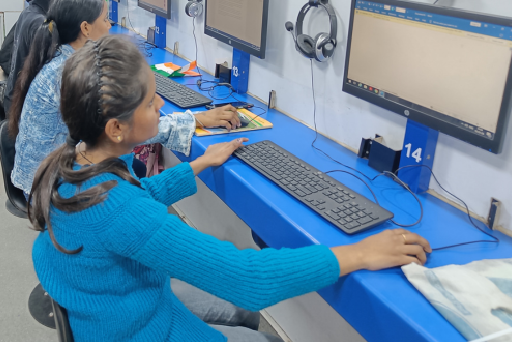
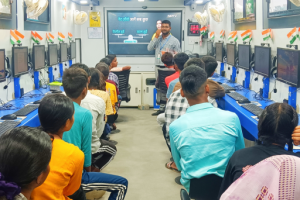
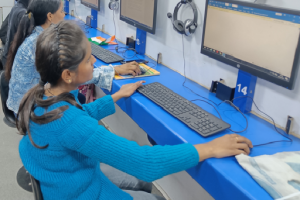
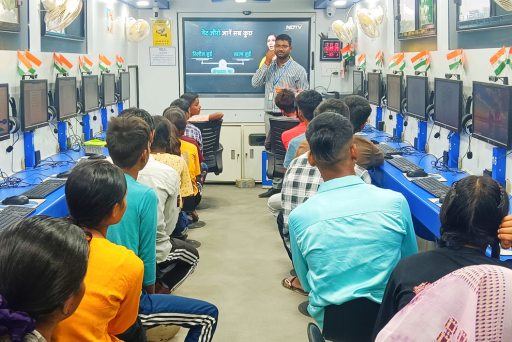
NIIT Foundation works at this intersection of building digital and workplace skills that can prepare them for employment and other opportunities. Its Digital Literacy Programme combines theoretical and practical learning, covering areas such as operating digital devices, using the internet and communicating online. Its wider course portfolio also brings together digital literacy, office productivity, workplace readiness, entrepreneurship and professional skills.
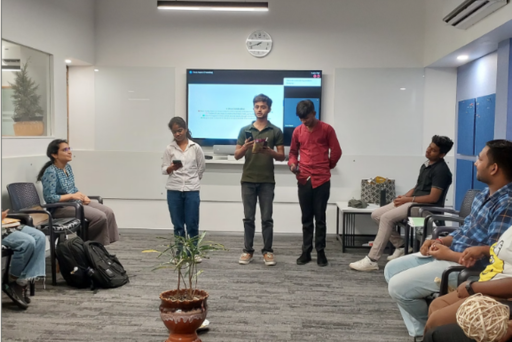
NIIT Foundation extends this approach to underserved and semi-urban communities, with programs that combine digital capabilities with communication, personality development and workplace skills. Its learning model also includes online and hybrid options, allowing learners to continue building skills beyond the physical classroom.
The aim is not simply to teach someone how to use a computer. It is to build the confidence to use technology to learn, work and grow.
As technology becomes embedded in more occupations, being digitally capable will increasingly mean being able to participate fully in the economy—whether someone is applying for their first job, running a small business, working in a shop, managing a farm or learning an entirely new profession.
Some jobs will require advanced skills in AI, data or software. But everyone needs a strong starting point: the confidence to use technology.
Digital skills can help people search for jobs, learn new things, communicate at work, run a business and adapt as jobs change.
The tools may change. What matters is being ready to learn and use them.