Sometimes, the difference between a dream and a business is not the strength of an idea, but the opportunity to act on it.
For a young person with limited resources, a business idea can represent much more than an opportunity to earn. It can mean financial independence, a way to support their family, or the possibility of creating something valuable for their community. Yet, while ambition may come naturally, the means to turn it into reality do not always follow.
Across India, young people are identifying problems, recognising opportunities and imagining solutions. But turning those ideas into sustainable enterprises requires more than determination. It calls for practical business knowledge, mentorship, access to capital and the confidence to navigate uncertainty. Bridging this gap is essential to helping young people build livelihoods, achieve financial independence and contribute to their communities.
The Gap Between an Idea and a Business
Starting a business involves more than identifying an opportunity. Young entrepreneurs must understand their customers, calculate costs, set prices, manage finances, develop a business model and find ways to reach the market. They also need to navigate uncertainty, learn from setbacks and make decisions with limited resources.
For those from underserved communities, these challenges can be even more significant. Access to initial capital may determine whether a business can purchase its first batch of inventory, acquire essential equipment or establish a workspace. Limited professional networks can make it difficult to find mentors, customers and market opportunities.
Without the right support, even a promising idea can struggle to move beyond the planning stage.
Building the Skills to Make Entrepreneurship Work
Sustainable entrepreneurship requires a combination of practical knowledge, confidence and access to guidance. Young people need opportunities to learn business fundamentals, test their ideas against real-world challenges and understand what it takes to operate an enterprise.
Mentorship plays an important role in this journey. Experienced professionals can help aspiring entrepreneurs refine their business models, identify potential risks and make more informed decisions. Field exposure and community engagement can also help them understand local needs and develop solutions that respond to real market demand.
When learning is combined with practical experience, entrepreneurship becomes more accessible and achievable.
How NIIT Foundation’s ChangeMaker Academy Supports Young Entrepreneurs
At NIIT Foundation, the ChangeMaker Academy (CMA) is designed to help aspiring young entrepreneurs develop the skills and confidence needed to build sustainable, purpose-driven enterprises.
The 4-5 months guided entrepreneurship program combines expert-led workshops, self-paced learning, hands-on field exposure and personalised mentorship. Participants explore the viability of their business ideas while gaining practical insights into the opportunities and challenges of establishing a sustainable enterprise.
CMA also encourages young changemakers to connect their business ideas with the needs of their communities and the United Nations Sustainable Development Goals. The focus is not simply on starting a business, but on building enterprises that can generate income while creating meaningful social impact.
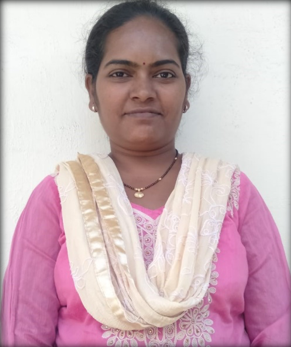
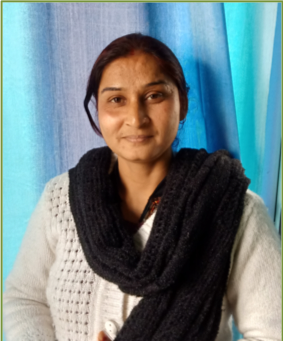
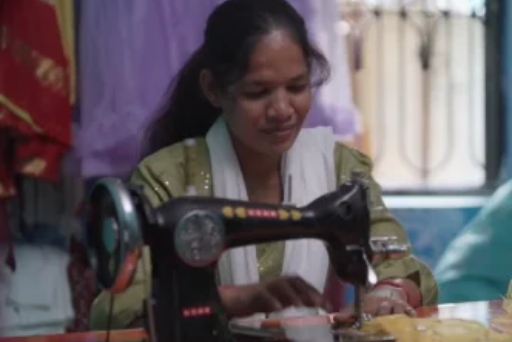
The journeys of CMA participants demonstrate what this support can make possible. Mamina Mohanta developed her entrepreneurial aspirations into Didi’s Cafe, while Guduli from Odisha built AG Tailors: Dil Se Dil Tak, turning her interest in stitching and design into a tailoring venture. Their experiences reflect how practical business skills, mentorship and determination can help transform individual potential into livelihood opportunities.
From Business Readiness to Real-World Opportunity
Entrepreneurship training can prepare young people to run a business, but readiness alone does not always guarantee a successful start. Initial capital remains an important consideration for entrepreneurs who need to invest in equipment, inventory or other essentials.
Creating a supportive entrepreneurship ecosystem therefore requires more than training. It calls for collaboration among educational institutions, mentors, communities, organisations and supporters who can help young entrepreneurs access the resources and networks they need.
Helping Young Entrepreneurs Take the Next Step
Young entrepreneurs are not short of ideas. What they often need is an opportunity to develop those ideas, test their potential and take the first practical steps towards building a business.
Through initiatives such as ChangeMaker Academy, NIIT Foundation works to bridge the gap between aspiration and enterprise by combining learning, mentorship and practical exposure. With the right support, young people can move towards greater financial independence, create livelihoods and contribute to more resilient communities.
Because a business idea is only the starting point. The real transformation happens when young entrepreneurs have the knowledge, confidence and opportunity to turn possibility into progress.
Learn more about the ChangeMaker Academy by NIIT Foundation.