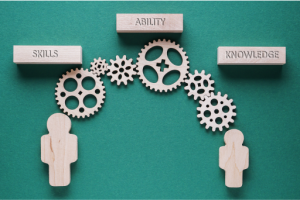

India’s skilling landscape has expanded rapidly, with increasing emphasis on technical training across sectors. From IT-enabled services to retail and logistics, the focus has largely been on equipping young people with job-specific skills. While this is essential, employers consistently point to a parallel gap, one that is less visible but equally critical.
Many candidates, especially first-generation learners, struggle not because they lack technical ability, but because they lack the confidence, communication skills, and familiarity with workplace expectations required to function effectively in a formal environment. For these learners, employment is not just about performing tasks. It involves navigating a new social and professional context, often without prior exposure or guidance.
Rethinking the Role of “Soft” Skills
Skills such as communication, problem-solving, and emotional awareness are often described as “soft,” suggesting they are secondary to technical expertise. In reality, they are central to employability. Technical skills may help a candidate secure an opportunity, but that alone doesn’t determine whether they succeed and grow within it.
For a first-timer into the workforce, the ability to ask questions, articulate challenges, or respond constructively to feedback can shape both performance and progression. Without these skills, the transition from training to employment becomes uncertain, even for those who are technically capable.
Building Employability Through Integrated Training
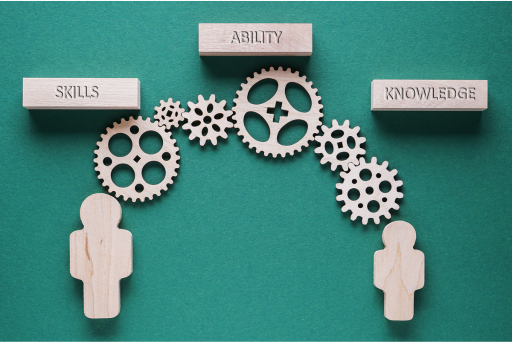
Addressing this gap requires a shift in how skilling programs are designed. Life skills cannot be treated as separate or supplementary. They must be embedded within technical training so that learners develop both capabilities together.
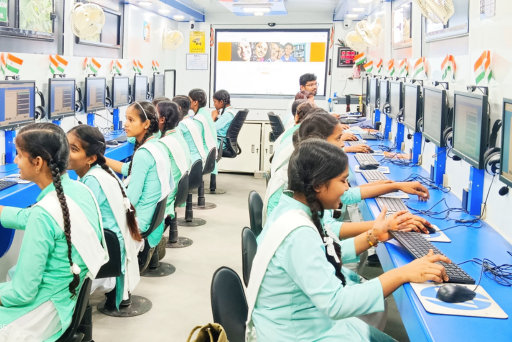
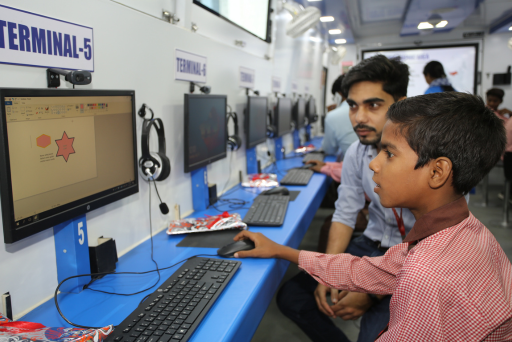
NIIT Foundation’s approach reflects this integration. Across its programs, life skills development is not delivered as an isolated module but woven into the broader training journey. This ensures that learners are prepared not only to perform specific tasks, but to navigate workplace environments with confidence and clarity.
A key component of this approach is the Change Maker Life Skills (CMLS) program, which focuses on practical and contextual learning. Rather than emphasising theory, the program works to shift how learners see themselves and their potential.
Building resilience is a central part of this process. Many participants come with experiences of academic setbacks or social pressures. Through structured sessions, they learn to process these experiences and develop the confidence to move forward.
While technical training provides a foundation, the internal shift in mindset truly defines a “Change Maker.” For students like Himani and Yogita, the program was less about a curriculum and more about reclaiming a future that felt lost to circumstance.
Himani’s journey involved fighting both a medical condition and the social stigma attached to it. Having struggled with seizures since the 10th grade, she faced a wall of doubt from those around her. Through the CMLS program, she found the psychological armour she needed to move forward. “My confidence was the only thing I lacked,” Himani reflects, “and that is exactly what I found here.”
Similarly, Yogita found herself at a crossroads of grief after her mother’s passing and successive exam failures. By engaging with the program’s “Grief Cycle” modules, she learned that resilience is a practiced skill. “I learned to let go of what happened and focus on what I can do now,” she says.
Equally important is the focus on communication. Through interactive exercises, learners are encouraged to express their ideas, speak in group settings, and engage with authority figures. For many, the ability to move from hesitation to clear communication marks a significant shift. This change in self-perception often becomes the turning point that allows their technical skills to be applied effectively.
From Training to Sustained Employment
The impact of life skills training becomes most visible after learners enter the workforce. Employers value reliability, adaptability, and the ability to work with others as much as technical proficiency. Candidates who demonstrate these qualities are more likely to retain jobs and take on additional responsibilities over time. For first-generation workers, this support is especially important. A More Complete View of Skilling
As India continues to invest in workforce development, there is a need to broaden how skilling is understood. Technical competencies remain important, but they are only one part of the equation. Without the ability to apply these skills in real-world settings, their impact remains limited.
Life skills – confidence, communication ability, and workplace awareness alongside technical expertise, equips one to navigate both opportunities and setbacks.
Programs that recognise this balance do more than prepare individuals for their first job. They support the development of resilient individuals who can adapt, grow, and contribute over time.