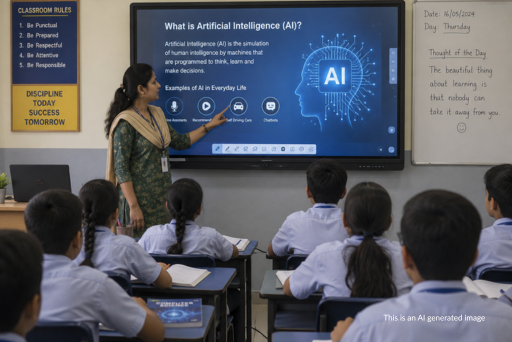
Artificial Intelligence (AI) is becoming a part of everyday life. From online searches and recommendation systems to chatbots and virtual assistants, young people are already interacting with AI in different ways
Recognising the growing importance of digital skills, India is preparing to introduce AI and Computational Thinking into school education from an early stage. Under the National Education Policy (NEP) 2020 and the National Curriculum Framework for School Education (NCF-SE) 2023, students will gradually be exposed to concepts that can help them understand and navigate an increasingly technology-driven future.
This is an important step towards preparing students for the future. However, simply adding AI to the curriculum will not automatically make students future-ready. The success of AI education will depend on something equally important – teacher readiness.
More Than Just a New Subject
Adding AI to the timetable is not the same as adding any other subject. AI is constantly evolving, and teaching it requires more than simply explaining definitions or introducing new software.
Students need opportunities to explore, ask questions, solve problems, and understand how technology can be used responsibly. They need to learn not only what AI is, but also how it impacts society, workplaces, and everyday decision-making.
For this to happen, teachers must feel confident using digital tools and creating engaging learning experiences. A teacher who understands how to connect AI concepts to real-life situations can help students develop curiosity, creativity, and critical thinking skills that go far beyond technology.
Supporting Teachers for a Digital Future
The scale of this transition is significant. India has millions of students and teachers spread across urban and rural schools, each with different levels of access to technology and training.
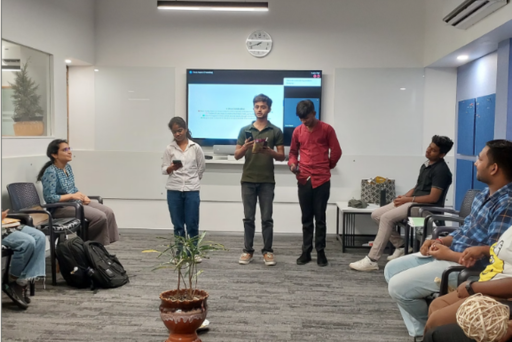
Encouragingly, many educators are already showing interest in learning about AI and experimenting with digital tools in their classrooms. However, interest alone is not enough. Teachers need ongoing training, practical resources, mentoring, and opportunities to build confidence in using emerging technologies.
Teacher readiness is not a one-time achievement. As technology continues to evolve, educators will need continuous support to stay updated and effectively integrate new tools into the learning process.
Building Inclusive and Meaningful AI Learning
AI education should not become another subject focused on memorisation. Its true value lies in helping students think logically, solve problems, work collaboratively, and make informed decisions.
At the same time, access must remain a priority. While some schools have advanced digital infrastructure and greater exposure to technology, many others continue to face challenges related to connectivity, equipment, and resources. Ensuring that all students have the opportunity to benefit from AI education will require collaboration between governments, schools, educators, industry, and civil society organisations.
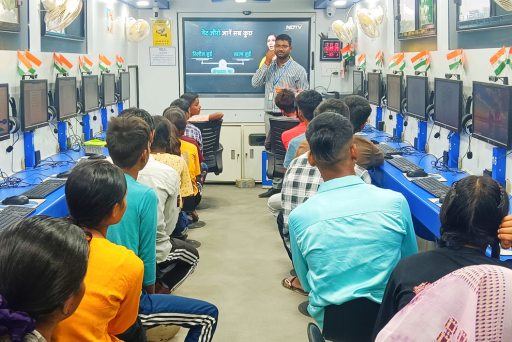
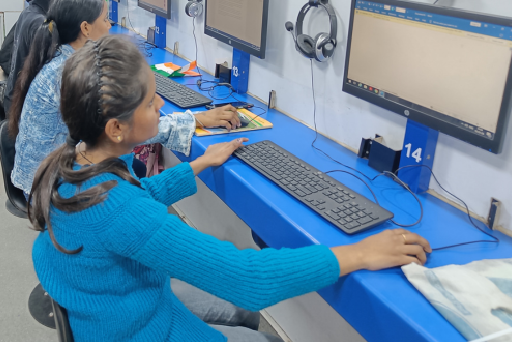
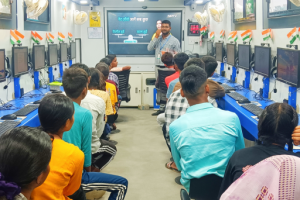
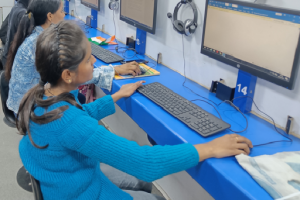
Through its work in school digitalization, digital literacy, teacher capacity building, and technology-enabled learning initiatives, NIIT Foundation has seen how access to digital skills can transform learning opportunities for young people. Strengthening teacher readiness and digital confidence will be an important part of ensuring that no learner is left behind as education continues to evolve.
The future of AI education will not be determined by technology alone. It will be shaped by the teachers who inspire curiosity, encourage exploration, and help students use technology thoughtfully and responsibly. When teachers are equipped to lead this change, students are better prepared to succeed in a rapidly changing world.