You see a job that matches your skills. You update your resume. You are ready to apply—and then you hesitate.
“What if I don’t know what to say in the interview? What if I make a mistake? Am I really ready?”
If you have ever felt this way, you are not alone. Learning the right skills is an important part of becoming job-ready, but having the confidence to demonstrate those skills can matter just as much.
The Interview Readiness Index 2025, released by Apna, found that only 32 per cent of job seekers considered themselves prepared for interviews. This suggests that for many young people, the challenge is not only finding opportunities but also feeling ready and confident enough to pursue them.
Imagine you have learned how to create a spreadsheet as part of a digital skills course. You know how to use the software and complete the task. But during an interview, an employer asks you to explain how you would use those skills at work, and suddenly you are unsure of what to say.
Or perhaps you have completed a customer service course but feel nervous speaking to someone you have never met before.
In situations like these, the challenge may not be the skill itself, but the confidence to demonstrate it.This can be particularly challenging for young people who may be the first in their families to enter a formal workplace. Interviews, resumes, professional conversations and workplace expectations may all be new experiences.
The good news is that confidence can be developed through preparation and practice.
Confidence Grows with Practice
Think about learning any new skill. The first attempt rarely feels comfortable. The more you practise, the more familiar it becomes.Interview confidence works in much the same way.
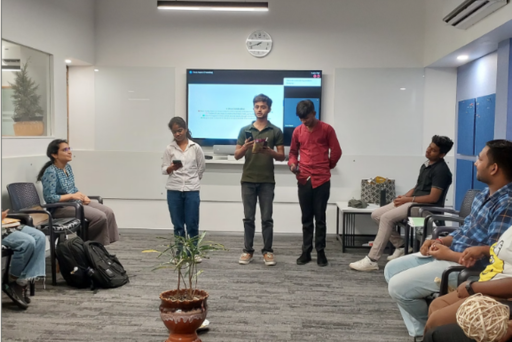
Practising common interview questions, preparing a short introduction about yourself, participating in group discussions and taking part in mock interviews can make professional situations feel less unfamiliar.
You may still feel nervous before an interview—and that is completely normal. Confidence does not mean never feeling nervous. It means being prepared enough to move forward despite the nervousness.
Five Ways to Build Confidence Before an Interview
- Practise introducing yourself
Prepare a short introduction covering who you are, what you have learned and the kind of opportunity you are looking for. Practise saying it aloud rather than simply memorising it.
- Prepare for common interview questions
Think about questions such as “Tell me about yourself”, “What are your strengths?” and “Why are you interested in this job?” Preparing your thoughts beforehand can help you answer more comfortably.
- Learn to explain your skills
Do not just list your skills. Practise explaining how you have used them. If you know Excel, for example, think of a task you completed using it and be prepared to talk about it.
- Take part in a mock interview
Ask a trainer, friend or mentor to conduct a practice interview with you. The more familiar the experience becomes, the easier it can be to manage nervousness during the actual interview.
- Learn about the organisation
Before an interview, spend some time understanding the company and the role you have applied for. Knowing where you are going and what the organisation does can help you feel better prepared.
Confidence Matters After You Get the Job Too
Confidence does not stop being important once the interview is over.
When you start your first job, you may need to ask a supervisor for clarification, communicate with colleagues, participate in meetings, use unfamiliar technology or interact with customers.
For example, if you do not understand a task, you may hesitate to ask for help because you are worried about appearing inexperienced. But asking the right question can help you understand the task, learn from the experience and improve.
Workplaces will continue to change, and so will the skills employers require. Being job-ready therefore means more than knowing how to perform a particular task. It also means being able to communicate what you know, ask questions, adapt, learn and demonstrate your capabilities.
Preparing for More Than the First Job
This is why skill development needs to go beyond technical training.
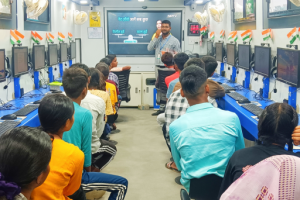
NIIT Foundation focuses on preparing beneficiaries with technical capabilities as well as communication, career readiness, digital literacy and employability skills. The aim is to help learners not only gain skills but also develop the confidence to use them in real-world situations.
For a young person entering the workforce for the first time, that confidence can make an important difference. Every interview attended, question answered, new task attempted and conversation initiated is an opportunity to become more comfortable in the world of work.
Getting your first job may feel like a big step. You do not have to feel completely confident before taking it.
Sometimes, confidence begins with simply being willing to take the first step.