For many young people, getting a job is often seen as the first step towards independence. However, earning money is only one part of the journey. Knowing how to manage that income, save future goals, avoid unnecessary debt, and make informed financial decisions is equally important.
As India’s workforce evolves, financial literacy is emerging as an essential life skill for young learners. Whether someone works in a traditional job, runs a small business, freelances, or participates in the gig economy, understanding money management can help build long-term financial security and confidence.
The way people work today is very different from a decade ago. Alongside traditional jobs, many young people are choosing freelance, contract-based, gig, and self-employed work opportunities.
While these opportunities offer greater flexibility and new avenues for earning, they also require greater financial responsibility. Unlike salaried employees who receive a fixed monthly income, gig workers and freelancers often experience fluctuations in earnings and must independently plan for emergencies, healthcare expenses, and future savings.
According to India’s Periodic Labour Force Survey (PLFS) 2025, self-employment continues to account for more than half of all employment in the country. India’s gig workforce is projected to reach 23.5 million workers by 2030. As more young people enter these evolving work arrangements, financial literacy is becoming as important as employability skills.
Why Financial Literacy Matters
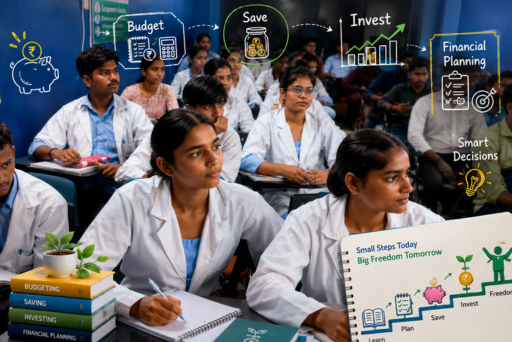
Financial literacy is more than learning how to save money. It helps individuals understand:
- Budgeting and expense management
- Saving for short-term and long-term goals
- Responsible use of credit
- Digital payments and banking
- Insurance and financial protection
- Basic investing and wealth creation
Consider two young professionals earning the same monthly income. One spends most of it immediately and relies on credit when unexpected expenses arise. The other tracks spending builds an emergency fund and saves regularly.
After a few years, their financial situations may look very different. The difference is not necessarily how much they earn, but how effectively they manage their money.
Financial Literacy in the Digital Age
Young people today can open investment accounts, use digital wallets, access credit, and make online purchases within minutes. These innovations have made financial services more accessible than ever before. At the same time, they have increased the risks associated with impulsive spending, online fraud, misinformation, and debt accumulation.
This makes financial awareness more important than ever. Understanding how to use digital financial services safely and responsibly is becoming a critical life skill.
NIIT Foundation’s Approach to Financial Literacy
At NIIT Foundation, the focus has always been on creating pathways to sustainable livelihoods through education, skill development, and employability programs.
As the employment landscape continues to evolve, financial literacy is increasingly recognised as an important component of long-term career success. Financial inclusion is not only about access to financial services—it is also about having the knowledge and confidence to use them effectively.
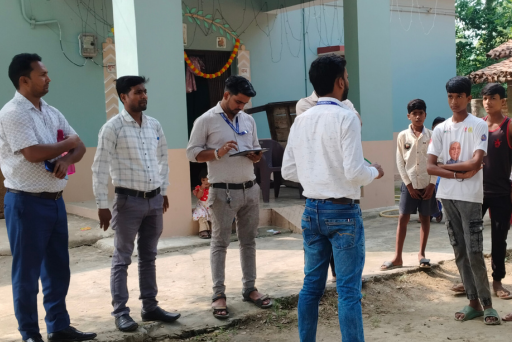
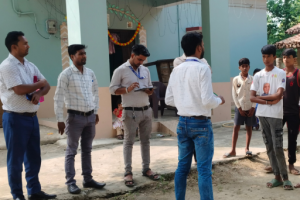
Recognising this need, NIIT Foundation has collaborated with corporate partners to implement financial literacy programs in semi-urban and rural communities. Before launching these initiatives, a pilot study conducted across Pune, Udaipur, and Delhi helped assess financial awareness levels and understand beneficiary needs.
The findings revealed significant demand for financial literacy training, particularly among residents of urban slums and rural communities. Many participants were found to have limited understanding of budgeting, savings, digital banking, and financial planning.
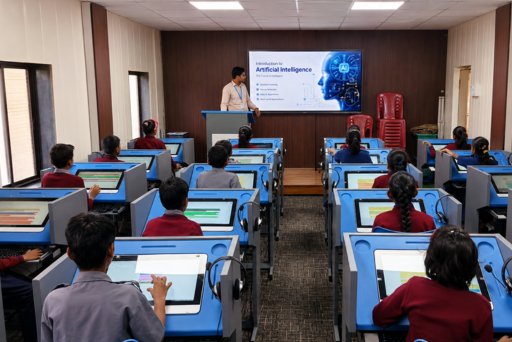
These insights reinforce the importance of combining employability skills with financial knowledge. By helping young people develop both workplace readiness and financial confidence, skill development programs can support not only employment outcomes but also long-term financial well-being and economic resilience.
As India moves towards a more digital and diverse economy, financial literacy is no longer optional. It is a foundational skill that empowers young people to make informed decisions, build secure futures, and achieve their aspirations.