The world of work is changing faster than ever before. New technologies are transforming industries, new jobs are emerging, and the skills employers look for today may be very different from those needed a few years from now.
According to the World Economic Forum’s Future of Jobs Report 2025, nearly 40% of workers’ core skills are expected to change by 2030, and six out of ten workers will need some form of reskilling or upskilling. This means learning cannot stop after school. Young people will need opportunities to continue building new skills throughout their lives.
This is where micro-credentials are gaining attention.
Simply put, micro-credentials are short, focused learning programs that help learners build specific skills. Instead of following one long learning journey, students can learn step by step and add new skills over time. For example, a student may start with digital literacy, move on to communication skills, then learn AI basics, financial literacy, or entrepreneurship. Each achievement becomes part of a larger learning journey.
One of the biggest advantages of micro-credentials is flexibility. They allow young people to explore different areas of interest, discover their strengths, and build skills that are relevant to changing career opportunities. They also provide learners with visible proof of the skills they have acquired, helping them demonstrate their capabilities to employers and training institutions.
Importantly, micro-credentials are not meant to replace school education. Instead, they complement academic learning by adding practical and workplace-relevant skills. Alongside subjects taught in classrooms, students can develop communication, problem-solving, teamwork, digital, and entrepreneurial skills that are increasingly valued in the workplace.
India has already started moving in this direction. The National Education Policy (NEP) 2020 encourages greater integration of vocational and skill-based learning into mainstream education. Through initiatives such as Samagra Shiksha and NSQF-aligned vocational courses, students are gaining exposure to practical skills alongside academic subjects. This reflects a growing recognition that education should prepare learners not only for examinations, but also for future opportunities.
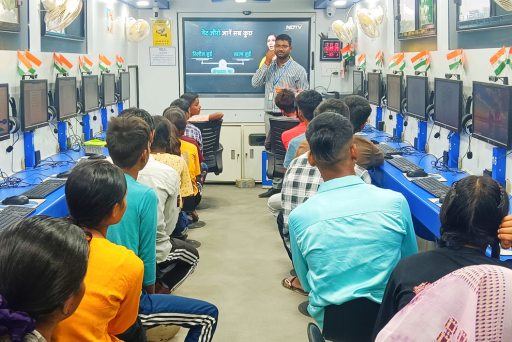
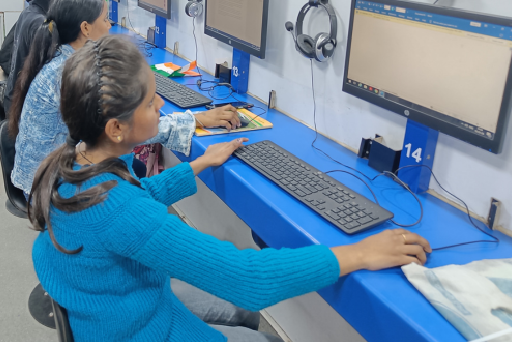
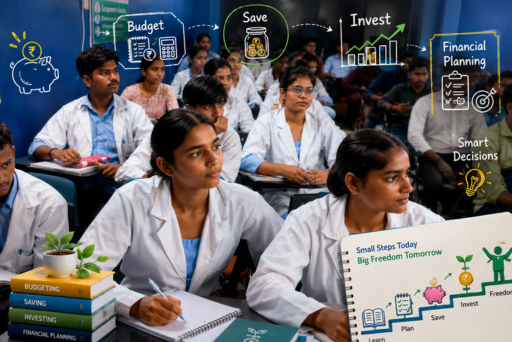
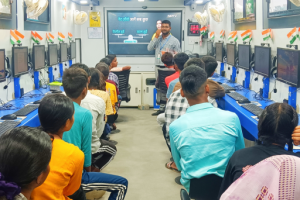
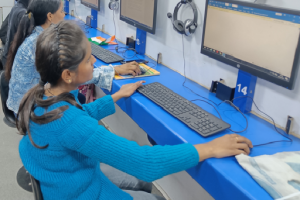
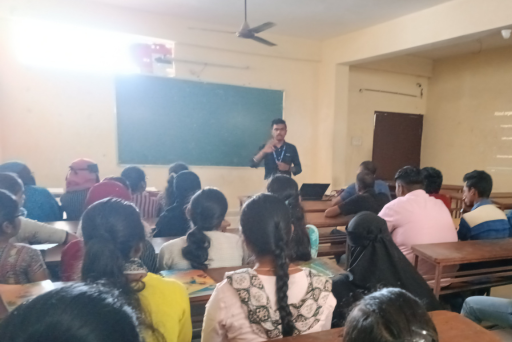
Organizations working in education and skilling also have an important role to play in supporting this transition. Through its work in school digitalization, digital literacy, career development, financial literacy, and employability programs, NIIT Foundation has seen firsthand how practical skills can build confidence and open new pathways for young people. Technology-enabled learning, industry-relevant content, and exposure to real-world skills can help students become better prepared for future careers.
As the nature of work continues to evolve, the ability to learn new skills will become increasingly important. Micro-credentials offer a practical way for young people to build these skills gradually, at their own pace, and according to their interests and goals.
The future of education is not about choosing between academics and skills. It is about bringing the two together. When students have strong foundational knowledge along with practical, recognised skills, they are better prepared to navigate opportunities, adapt to change, and build successful futures.