Discover how free skill development programs in India are improving youth employability through vocational training, industry partnerships, and job-ready skills.
Every year, millions of young people enter the job market hoping to find stable employment. However, many struggle because they do not have the skills employers are looking for. While access to education has improved significantly, employability remains a major challenge. To address this gap between education and employment, free skill development programs have emerged as an important solution in recent years.
In 2015, the Government of India launched the Skill India Mission to equip young people with industry-relevant skills and improve their chances of finding work. One of its flagship initiatives, the Pradhan Mantri Kaushal Vikas Yojana (PMKVY), offers free short-term training and certification programs to youth across the country. The objective is simple: to provide practical, job-ready skills that can help young people find employment or start earning on their own.
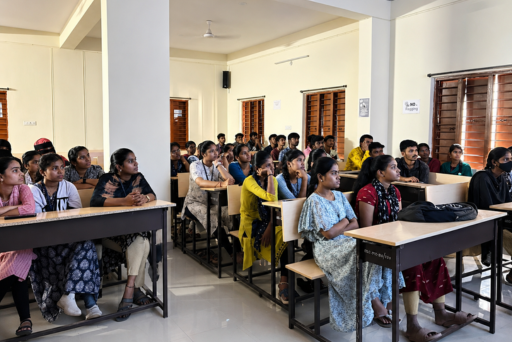
Through initiatives such as PMKVY, vocational training has become more accessible, particularly for youth from economically disadvantaged backgrounds. Young people can enrol in courses across sectors such as healthcare, retail, logistics, information technology, electronics repair, beauty and wellness, and construction, often at no cost. After completing the training, participants receive government-recognised certifications that can strengthen their job prospects.
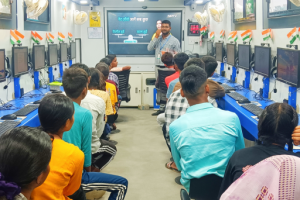
The impact of these programs can be seen across urban, semi-urban, and rural India. Training centres have reached communities that previously had limited access to vocational education. Digital learning platforms and virtual classrooms have further expanded access, allowing young people to learn new skills regardless of where they live.
However, training alone does not guarantee employment. Many young people complete skill development courses but still face challenges in finding stable jobs. According to research by organisations such as the World Bank and the International Labour Organization (ILO), skill development programs are most effective when they are connected to job opportunities, career guidance, and employer partnerships. Learning a skill is important, but finding a pathway to employment is equally important.
This challenge is also felt by employers. Across industries, companies often struggle to find candidates with the right mix of technical and workplace skills. A young person may have completed a course or earned a degree but may still lack practical experience, communication skills, digital literacy, or confidence in a professional environment. As a result, the gap between education and employment continues to remain a concern.
For many young people from underprivileged backgrounds, the barriers go beyond training. They may not know how to prepare a resume, search for jobs, or perform well in interviews. Some may have limited access to information about employment opportunities, while others may face financial or social challenges that make it harder to enter the workforce.
This is why the most effective skill development programs take a holistic approach. Along with technical training, they provide career counselling, soft skills training, confidence-building sessions, and placement support. Many programs also continue to guide learners after they secure a job, helping them adapt and grow in their careers.
Grassroots organisations play an important role in delivering this support. By working closely with communities and industry partners, they help young people move from learning to earning.
NIIT Foundation’s work reflects this approach. Through its employability and digital skilling initiatives, NIIT Foundation creates pathways to sustainable livelihoods for underserved youth across India. Its programs focus not only on building technical skills but also on preparing young people for the workplace through career guidance, workplace readiness training, and placement support.
Working closely with employers and industry partners, NIIT Foundation ensures that its training remains aligned with current job market requirements. A significant proportion of beneficiaries are young women, first-generation learners, and youth from rural and semi-urban communities. By addressing both skill gaps and barriers to opportunity, NIIT Foundation helps young people improve their employment prospects and build better futures for themselves and their families.
As India continues to strengthen its skilling ecosystem, the focus must go beyond the number of people trained. The real measure of success is whether young people are able to find meaningful employment, build sustainable livelihoods, and improve their quality of life. Skill development programs that combine quality training, industry partnerships, and placement support will continue to play an important role in building a future-ready workforce and creating opportunities for millions of young Indians.